

“Does creatine make you bald?”
“Is it bad for your kidneys?”
These are two of the questions I hear most often when I talk to clients about creatine.
And I understand why. There is a lot of conflicting information online about supplements, and when something is associated with hair loss or kidney damage, it is natural to be cautious.
I have been taking creatine myself for more than 15 years, almost every day. It is also one of the most researched sports supplements available, with a substantial body of research looking at both its effectiveness and safety.
So, is creatine worth taking?
For most healthy adults who are looking to improve strength, exercise performance and muscle development, I would say yes. But let’s address the two concerns I hear most often.
Does creatine cause hair loss?
This is probably the biggest myth surrounding creatine.
The concern largely comes from a small study involving rugby players, which found that creatine supplementation was associated with an increase in levels of dihydrotestosterone, or DHT. DHT is a hormone associated with male-pattern hair loss.
However, there is an important distinction here. The study measured DHT levels. It did not demonstrate that creatine causes hair loss. Since then, there has not been good evidence showing that creatine supplementation itself causes baldness or increases the risk of hair loss. If you already have a genetic predisposition to male-pattern hair loss, it is understandable to have questions about anything that may affect DHT. However, the current evidence does not support the idea that taking creatine directly causes you to lose your hair.
Does creatine damage your kidneys?
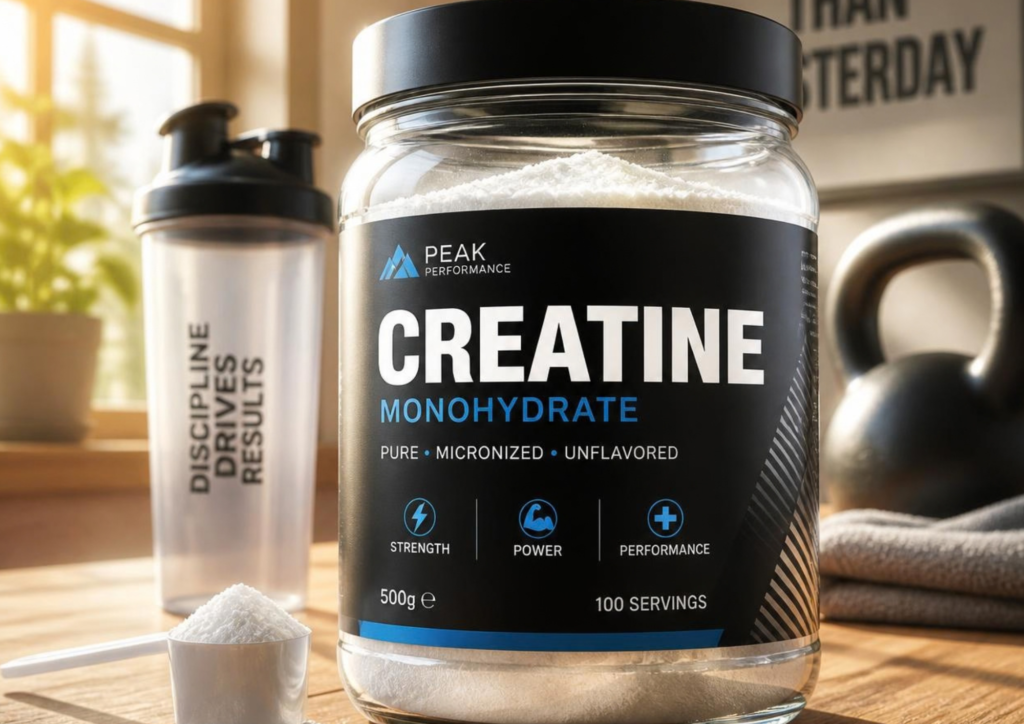
The other major concern is kidney health. In healthy people taking recommended doses, research has generally found creatine to be well tolerated, with no convincing evidence that standard creatine supplementation causes kidney damage.
There is one thing worth knowing if you have blood tests while taking creatine. Creatine can cause an increase in creatinine, a waste product that is commonly measured as part of kidney function testing. An elevated creatinine result does not automatically mean that your kidneys are being damaged.
If you take creatine and have blood tests, let your doctor know. They can interpret your results in the context of your supplementation and, where appropriate, use other measures of kidney function.
If you already have kidney disease, another medical condition, or take medication that could affect your kidneys, speak to your doctor or another qualified healthcare professional before starting creatine.
What happened with my client?
One of my clients had the same concerns. After we discussed the evidence and how creatine could fit into his training, he decided to start taking it consistently.
Over time, we noticed some positive changes in his training. His strength improved. He was able to lift heavier weights and felt that his recovery between sessions had improved. Most importantly, he felt stronger and more capable in the gym, which helped him stay consistent with his training.
Now, I would not attribute every one of these improvements to creatine. Training consistently, eating enough of the right foods, getting adequate sleep and following a progressive training programme are all important. Creatine is not a substitute for any of these things. But it can be a useful addition when the fundamentals are already in place.
How much creatine do you actually need?
You do not need a complicated protocol. For most people, 3 to 5 grams of creatine monohydrate per day is a simple and well-researched approach. You do not need to cycle creatine, and you do not have to take it immediately before or after your workout.
Consistency matters more than timing. I generally recommend taking it at roughly the same time each day simply because it makes it easier to build into your routine.
So, should you take creatine?
Creatine is not magic.
It will not compensate for poor training, an inconsistent diet or inadequate sleep. But when those fundamentals are in place, it can be a very useful supplement for people looking to improve strength, performance and muscle development. After more than 15 years of taking it myself, it remains one of the few supplements I continue to recommend and use. If you are considering taking creatine and have a medical condition, take medication, or have concerns about your kidney function, speak with your doctor or another qualified healthcare professional first.
The bottom line: current evidence does not show that recommended creatine supplementation causes baldness or kidney damage in healthy adults. For most people, 3 to 5 grams of creatine monohydrate per day is a simple, well-researched approach.